Guide
Lymphatic Support Guide: How Lymph Moves, Daily Habits and Where Lymph Savior Fits
Nothing pumps lymph the way the heart pumps blood. It moves when your muscles squeeze and your chest rises and falls. Daily walking and activity act as a natural pump (NCI, Lymphedema). New or one-sided swelling needs a doctor, not a pill. A supplement such as Lymph Savior is a small add-on at best, and no trial has tested its formula.
The basics
What does the lymphatic system do?
The lymphatic system is a network of thin vessels and small bean-shaped nodes. Its two jobs are fighting infection and keeping fluid levels steady (MedlinePlus, Lymphatic diseases).
Every day, a little fluid leaks out of your blood vessels into the spaces around your cells. Lymph vessels collect that extra fluid. They carry it back toward the heart, where it rejoins the blood.
Along the way, the fluid passes through lymph nodes. Nodes act like filters and meeting points for immune cells. That is why nodes in the neck can feel tender when you have a sore throat.
When the system cannot drain well, fluid builds up. Doctors call that swelling lymphedema (MedlinePlus, Lymphatic diseases).
| Lymph | Clear fluid picked up from the spaces between cells |
|---|---|
| Lymph vessels | Thin tubes with one-way valves that carry lymph toward the heart |
| Lymph nodes | Small filters where immune cells meet germs and debris |
| Spleen, tonsils, thymus | Organs that also belong to the lymphatic and immune system |
| What happens when drainage fails | Fluid collects and swelling called lymphedema can build |
No central pump
How does lymph move without a heart to pump it?
Lymph moves because the body around it moves. Blood has the heart, but lymph has no central pump.
Three forces do most of the work:
- Muscle squeeze. When calf, thigh and arm muscles tighten, they press on nearby lymph vessels and push fluid forward.
- Breathing. Each deep breath changes the pressure inside the chest and belly. That helps draw lymph up toward the heart.
- One-way valves. Small valves inside the vessels stop fluid from sliding back down.
This is why long stretches of sitting can leave ankles feeling puffy by evening. The muscles are still, so the pump slows. Getting up and moving restarts it.
For a longer walk through the plumbing, read how the lymphatic system moves fluid.

Everyday habits
Which daily habits support lymph flow?
Regular movement is the habit with the best support. According to the National Cancer Institute, exercise works like a built-in pump for lymph (NCI, Lymphedema). The other habits below are common, sensible advice. They carry less formal proof, so treat them as helpful, not magic.
| Habit | Why it may help | How to do it | Strength of support |
|---|---|---|---|
| Daily walking and activity | Working muscles squeeze lymph vessels | Short walks spread through the day, plus any activity you enjoy | Recommended by cancer care experts (NCI, Lymphedema) |
| Breaking up long sitting | Restarts the calf muscle pump | Stand and walk for 2-3 minutes every hour or so | General advice, sensible |
| Leg elevation after long sitting | Gravity helps fluid drain from the lower legs | Rest with feet raised on pillows for 15-20 minutes | General advice, modest |
| Staying hydrated | Lymph is mostly water; normal intake keeps things running | Drink water through the day, more in heat | General advice, modest |
| Deep breathing | Chest pressure changes help draw lymph upward | A few slow belly breaths several times a day | General advice, low cost |
None of these habits replaces care for a medical problem. They are simple things most healthy adults can do at no cost.
10 minutes a day
What is a simple 10-minute daily routine for lymph flow?
Seven gentle moves that use your muscles and breathing. No equipment, and you can do most of them in an office.
Belly breathing, 1 minute
Sit or stand tall. Breathe in through the nose for 4 counts so the belly rises, then out for 6 counts. Repeat about 8 times.
Shoulder rolls, 1 minute
Roll both shoulders up, back and down 10 times. Then gently turn your head left and right.
Ankle pumps, 1 minute
Sitting or standing, point your toes, then pull them up toward your shin. Do 20 on each foot.
March in place, 2 minutes
Lift your knees at an easy pace and swing your arms. Hold a chair if balance is a concern.
Calf raises, 1 minute
Hold a counter and rise onto your toes, then lower slowly. Aim for 15 smooth raises.
Overhead reaches, 1 minute
Reach one arm up and over, then the other, breathing out as you stretch. Do 10 on each side.
Brisk walk, 3 minutes
Walk around the house, office or block at a pace that warms you up but still lets you talk.
Red flags
When is swelling a reason to see a doctor instead?
Some swelling is a warning sign, not a lifestyle problem. Book a visit soon if one leg swells for no clear reason, or if the swollen area turns red, warm or comes with a fever (MedlinePlus, Leg swelling).
Swelling together with chest pain or shortness of breath is an emergency. Call 911 right away (MedlinePlus, Leg swelling).
Lymphedema also needs medical care. Anyone with heaviness or swelling in an arm or leg, especially after cancer treatment, should see a doctor (NCI, Lymphedema). Standard care often includes fitted compression garments and guided exercise (NCI, Lymphedema). A supplement does not take the place of any of these.
Ask what is causing the swelling, whether compression suits you, and which activity level is safe. Bring a list of every supplement you take, including Lymph Savior.
Supplements
Where do supplements fit in lymphatic support?
Supplements sit at the bottom of the list, as a small add-on at best. No herb has been studied for the lymphatic system itself. Movement, medical care and daily habits come first.
Medical care
For lymphedema or unexplained swelling, a doctor, compression and guided exercise are the base layer.
Daily movement
Walking and the routine above use the body's own pump. It costs nothing and helps the heart too.
Supplements
Optional. Pick one only if the label shows amounts and each ingredient has some human research.
Our 10-point checklist for choosing a lymphatic supplement shows how to judge any product before you spend money.
Lymph Savior
Where does Lymph Savior fit in a lymphatic support routine?

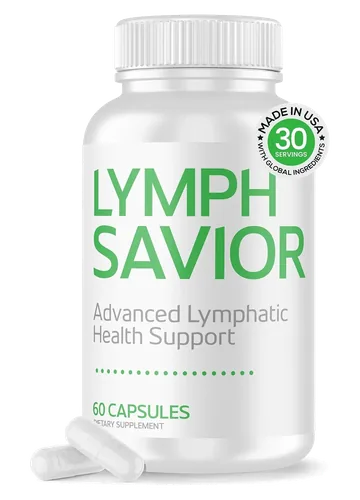
Lymph Savior is a capsule labeled "Advanced Lymphatic Health Support". It can sit beside your daily walk as an optional extra. It cannot replace movement or medical care.
Fair points
- Two capsules a day is easy to pair with a meal
- Horse chestnut seed extract has human research for leg vein comfort
- 60-day money-back guarantee through the phone desk
Honest gaps
- No Supplement Facts panel, so no amounts are published
- No trial of the finished formula
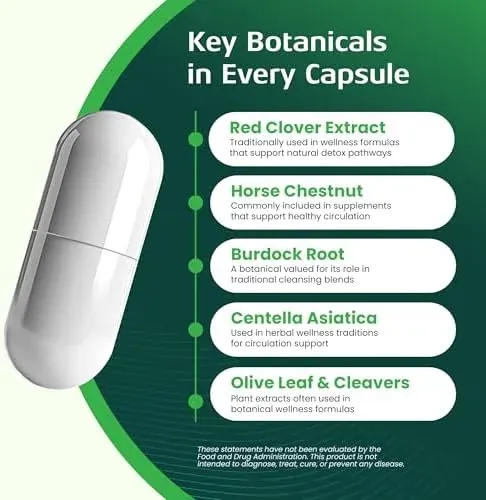
- Several ingredients have no human research
It adds herbs that interact with some medicines, so check side effects and interactions first. See how Lymph Savior is meant to work for each ingredient.
Putting it together
How do you build a lymphatic support routine that lasts?
Start small and tie each habit to something you already do. A routine you keep beats a perfect plan you drop in a week.
- Week 1
Do the 10-minute routine once a day, right after breakfast. Set an hourly reminder to stand up.
- Week 2
Add a 10-minute walk after lunch or dinner. Keep a water bottle where you can see it.
- Weeks 3-4
Build the walks toward 20-30 minutes most days. Raise your legs for a few minutes after long drives or flights.
- Any time
If swelling is new, one-sided, painful or warm, pause the plan and call a provider.
If you decide to add a supplement, write down the start date. Judge it against how you feel, and keep the receipt in case you use the guarantee.
FAQ
Lymphatic support guide FAQ
Does lymph have its own pump?
No. Lymph has no central pump like the heart. It moves when muscles contract, when you breathe deeply and through one-way valves in the vessels.
What is the best habit for lymph flow?
Regular movement. Exercise works as a natural pump for lymph (NCI, Lymphedema), and walking is the easiest place to start.
Can a supplement drain the lymphatic system?
No supplement has been shown to drain lymph. No ingredient in Lymph Savior has been studied for the lymphatic system itself.
Is leg swelling after a long flight normal?
Mild puffiness that fades after walking or resting with your feet up is common. Swelling in one leg, or with pain, warmth or redness, needs a provider (MedlinePlus, Leg swelling).
Should I stop compression if I start Lymph Savior?
No. Compression is standard care for lymphedema (NCI, Lymphedema). Keep following your care team's plan and tell them about any supplement.
How long should the daily routine take?
About 10 minutes. You can split it into two 5-minute blocks if that fits your day better.
Keep reading
More about Lymph Savior
Choosing a supplement
Ten checks for any lymphatic supplement, a form comparison, and an honest pass, partial or fail score for Lymph Savior.
Read moreHow it works
Lymph basics in plain words, the botanical idea behind Lymph Savior, and the limits of what it can do.
Read moreWho it's for
A quick fit check: who Lymph Savior suits, who should skip it, and when to see a doctor first.
Read moreU.S. stocking partner for Lymph Savior
Ready to try Lymph Savior with the 60-day guarantee?
Order through the stocking partner's page so your order ID is on file with the refund desk. Prices for the 1, 2, 3 and 6-bottle packs are shown at checkout.
Questions before you buy? Call +1 (317) 715-7254. 60-day money-back guarantee, return shipping paid by the buyer.