Blog
How the Lymphatic System Moves Fluid, and What a Supplement Can and Cannot Do
Lymph starts as fluid that seeps out of blood vessels into your tissues. Tiny lymph vessels collect it, one-way valves keep it moving forward, and muscle squeeze and breathing push it back to the heart. A supplement cannot replace that pump. Lymph Savior's herbs have not been studied for the lymphatic system.

Step one
Where does lymph fluid come from?
Lymph begins as ordinary tissue fluid. Blood pressure pushes a little water, salt and protein out through the walls of the smallest blood vessels.
That fluid bathes your cells. It brings nutrients and carries away waste. Most of it slips back into the blood vessels on its own.
Some is left behind, along with proteins too large to return the easy way. If nothing collected it, your tissues would slowly puff up. Collecting that leftover is the lymphatic system's first job. Once the fluid enters a lymph vessel, it gets a new name: lymph.
The same network also clears infection, which is why doctors describe it as both a drain and a defense line (MedlinePlus, Lymphatic diseases).
The route
How do lymph vessels carry fluid back to the heart?
Lymph travels in one direction, from the tissues up toward the neck. It passes through four stages on the way.
Lymph capillaries
Tiny, closed-end tubes sit among the cells. Their walls have overlapping edges that open like flaps to let fluid in, then close.
Collecting vessels
Capillaries join into larger vessels. Inside are small valves spaced along the tube that let lymph move only forward.
Lymph nodes
Vessels pass through nodes in the groin, armpits, belly and neck. Each node filters the lymph before it moves on.
Ducts to the veins
Lymph gathers in two main ducts in the chest. They empty into large veins near the collarbones, and the fluid rejoins the blood.
The whole trip runs uphill for anything below the heart. That is why the legs depend so much on movement.
The pumps
What pushes lymph along if there is no heart for it?
Lymph is moved by the body around it. Contracting muscles squeeze the vessels, breathing changes pressure in the chest, and the vessel walls themselves tighten in slow waves. Cancer care experts call exercise a natural lymph pump (NCI, Lymphedema).
| Feature | Blood | Lymph |
|---|---|---|
| Main driver | The heart, beating all day | Muscle squeeze, breathing and gentle vessel contractions |
| Route | A closed loop, out and back | One way, from tissues to the neck veins |
| Pressure and speed | Higher and faster | Low and slow |
| What slows it | Blocked or narrowed vessels | Sitting still, damaged vessels, removed nodes |
| What speeds it | Heart rate rising with effort | Walking, activity and deep breathing (NCI, Lymphedema) |
| Filters on the way | Kidneys and liver | Lymph nodes |
The practical lesson is simple. A still body means slow lymph. The lymphatic support guide turns this into a 10-minute daily routine.
Daily life
What slows lymph flow in everyday life?
Stillness is the most common thing that slows lymph. Anything that keeps the legs and chest quiet for hours gives the pump less to work with.
Long flights and drives
Hours in a seat keep the calf muscles idle. Walk the aisle, and flex your ankles often while seated.
Desk days
A full day at a desk has the same effect. Standing for a few minutes each hour gives the calves a chance to squeeze again.
Hot days
Many people notice puffier feet in summer heat. Cool rest with the feet raised often helps it settle by morning.
These everyday slowdowns are different from lymphedema. They come and go with activity and usually ease overnight.
Shallow breathing adds to the problem. People who sit hunched over a screen often breathe high in the chest. A few slow belly breaths each hour bring the diaphragm back into play.
Filters
What happens to lymph inside the lymph nodes?
Lymph nodes slow the fluid down and check it. Immune cells inside them meet germs and debris carried in from the tissues (MedlinePlus, Lymphatic diseases).
When they find something, the immune cells multiply. The node can swell and feel tender for a while. A swollen node in the neck during a cold is the system doing its job.
Marketing sometimes talks about "clogged" or "sluggish" nodes that need clearing. A working node is meant to hold on to things for a time. A node that stays hard, grows or lasts for weeks should be checked by a doctor, not flushed with herbs.
When it fails
What happens when lymph flow slows or stops?
When lymph cannot drain, fluid builds up and causes swelling called lymphedema (MedlinePlus, Lymphatic diseases). It often follows surgery or radiation that removes or damages nodes, but it can have other causes.
Lymphedema is a medical condition. Anyone with heaviness or swelling in a limb should see a doctor, and compression garments are standard care (NCI, Lymphedema).
New swelling in one leg, or swelling with redness, warmth or fever, needs a provider. If swelling comes with chest pain or trouble breathing, call 911 (MedlinePlus, Leg swelling).
Supplements
What can a supplement do for lymph flow, and what can it not do?
A supplement can add plant compounds to your diet. It cannot squeeze a vessel, open a valve or replace a removed node. No ingredient in Lymph Savior has been studied for the lymphatic system.
What it can do
- Provide herbs with research in other areas, such as horse chestnut for leg vein symptoms (Pittler & Ernst, 2012)
- Fit into a daily routine you already keep
- Remind you to pair it with water and a walk
What it cannot do
- Move lymph the way muscles and breathing do
- Take the place of compression or medical care
- Remove toxins; detox programs lack good evidence (NCCIH, Detoxes)
Lymph Savior
Where does Lymph Savior fit with how lymph actually moves?
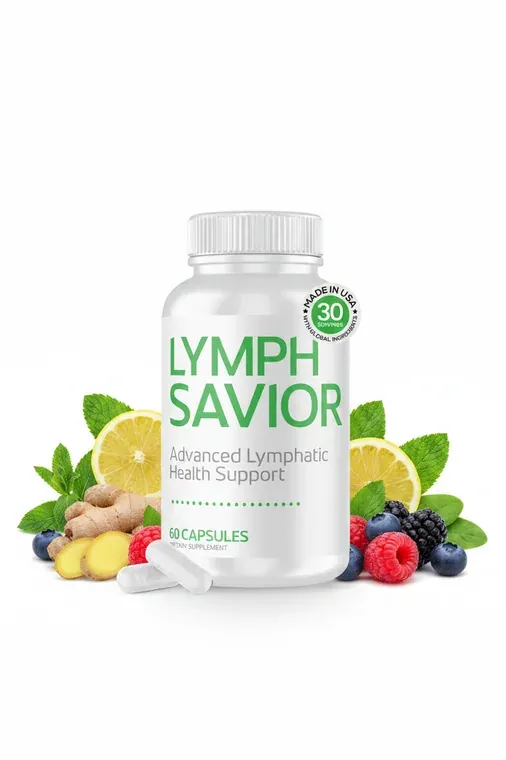
Lymph Savior fits as an optional extra beside movement, not a substitute for it. The bottle says "Advanced Lymphatic Health Support", and the serving is 2 capsules a day.
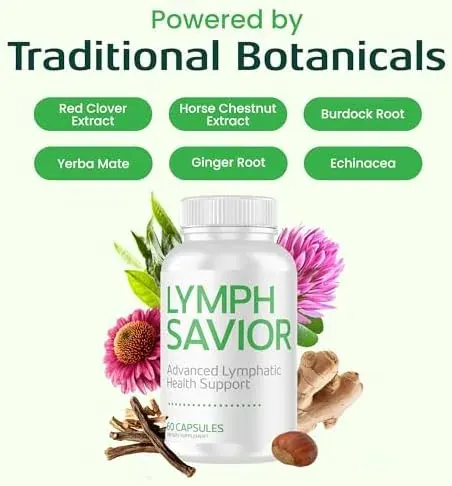
Its best-researched ingredient is horse chestnut seed extract, and that research looked at leg veins, not lymph. The dose question matters too, because no amounts are published. Our post on horse chestnut research, dose and safety covers that in detail.
If you want to try it, the 60-day guarantee lets you judge it against your own routine.
Want to see exactly what the label leaves out? Read reading a supplement label with no amounts.
Summary
What are the key points about how lymph moves?
- Lymph is leftover tissue fluid collected by tiny vessels.
- Valves keep it moving one way, toward the veins at the base of the neck.
- Muscles, breathing and activity supply the push (NCI, Lymphedema).
- Nodes filter it and host immune cells (MedlinePlus, Lymphatic diseases).
- A capsule can sit beside that system but cannot run it.
For how each Lymph Savior ingredient is meant to play a part, see how Lymph Savior works.
FAQ
Lymph flow questions
Is lymph the same as blood?
No. Lymph is a clear fluid made from tissue fluid. It has no red blood cells and it returns to the blood at veins near the collarbones.
Why do my ankles swell after sitting all day?
Still calf muscles pump less lymph and blood uphill, so fluid can pool. Mild puffiness that fades after a walk or a night's rest is common.
Does breathing really move lymph?
Yes. Deep breaths change pressure in the chest and belly, which helps draw lymph toward the large ducts.
Can Lymph Savior move lymph by itself?
No. No ingredient in it has been studied for lymph flow, and no trial has tested the finished formula.
Do swollen lymph nodes mean my lymph is blocked?
Usually not. Nodes often swell while fighting an infection. Most return to normal size once the infection clears.
What is the best free way to support lymph flow?
Regular movement. Walking and other activity act as a natural pump for lymph (NCI, Lymphedema).
Keep reading
More about Lymph Savior
Horse chestnut safety guide
The Cochrane evidence, the 100 mg escin dose, raw seed risks, blood thinners and why the missing amount matters.
Read more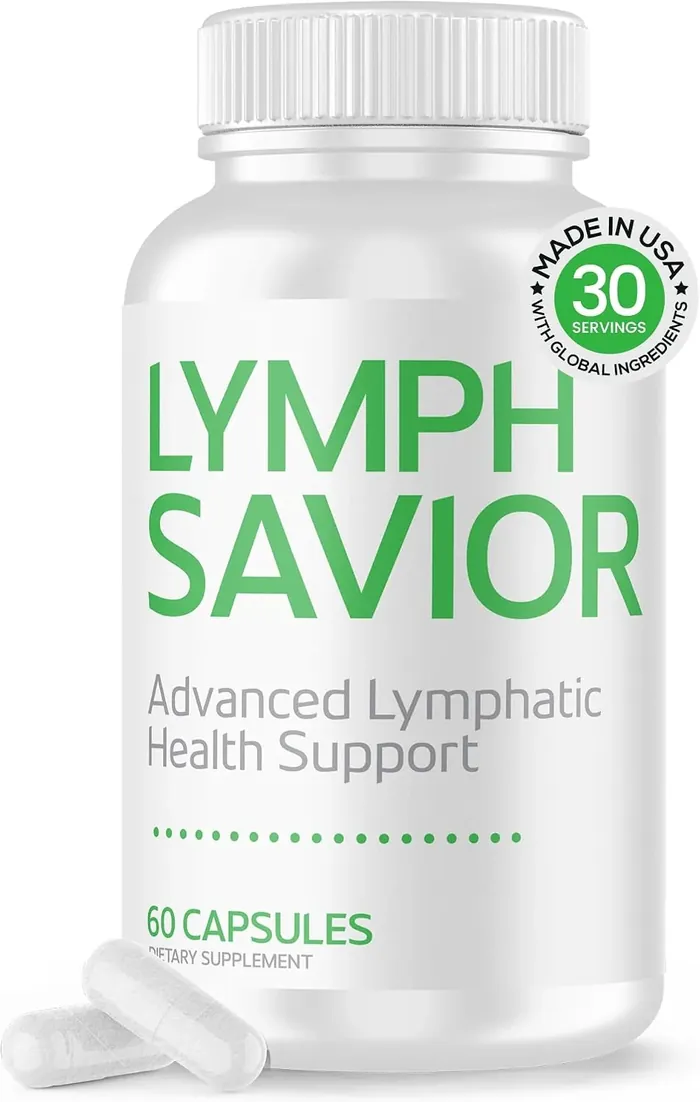
Reading a label with no amounts
A case study in missing amounts: what a complete panel shows, what Lymph Savior's lacks, and how to compare fairly.
Read moreLymphatic support guide
How lymph moves, a 10-minute daily routine, red flags for swelling and an honest place for supplements.
Read moreU.S. stocking partner for Lymph Savior
Ready to try Lymph Savior with the 60-day guarantee?
Order through the stocking partner's page so your order ID is on file with the refund desk. Prices for the 1, 2, 3 and 6-bottle packs are shown at checkout.
Questions before you buy? Call +1 (317) 715-7254. 60-day money-back guarantee, return shipping paid by the buyer.