Blog
Any Side Effects With Lymph Savior? Horse Chestnut Research, Dose and Safety
Any side effects with Lymph Savior? No side-effect data for the finished formula has been published, and for most healthy adults the main risks come from how its herbs mix with medications. Its best-studied herb needs care: raw horse chestnut is unsafe, standardized seed extracts were likely safe for up to 12 weeks, and blood thinners are a reason to skip it. Lymph Savior’s horse chestnut amount is not published.
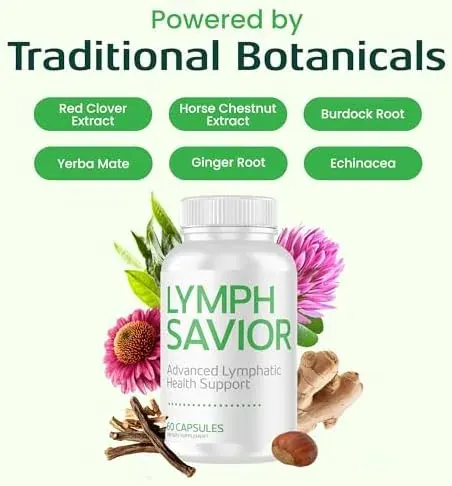
The plant
What is horse chestnut, and why is it in Lymph Savior?
Horse chestnut is a tall tree, Aesculus hippocastanum, whose shiny brown seeds look like conkers. The seller lists "Horse Chestnut Extract (Aesculus hippocastanum) (seed)" as one of six named Lymph Savior ingredients.
It is not the sweet chestnut you roast in winter. The two trees are unrelated, and horse chestnut seeds are not food.
The compound researchers care about is called escin, sometimes spelled aescin. Good extracts are standardized, which means each batch is adjusted to hold a set amount of escin.
Of all the plants in the formula, it has the most human research on leg comfort. That research is about veins, though. It is not about the lymphatic system, and it did not test Lymph Savior.
The evidence
What does the Cochrane review say about horse chestnut seed extract?
The Cochrane review found that horse chestnut seed extract eased leg pain and reduced leg volume compared with placebo (Pittler & Ernst, 2012). The people studied had chronic venous insufficiency, a long-term leg vein problem.
In chronic venous insufficiency, the valves in the leg veins work poorly. Blood pools in the lower legs, which can bring aching, heaviness, itching and swelling by evening.
Cochrane reviews pool many trials and grade their quality, so this is strong evidence by supplement standards. The authors still asked for larger, better trials (Pittler & Ernst, 2012).
Leg veins and lymph vessels sit side by side and both fight gravity. They are still separate systems. Our post on how the lymphatic system moves fluid explains the difference.
The dose
What dose of horse chestnut did the research use?
The most common research dose was 300 mg of extract twice a day, standardized to 50 mg of escin per dose (Underland et al., 2012). That adds up to about 100 mg of escin a day.
The table sets that dose beside what is known about Lymph Savior. Every blank is a fact the seller has not published.
| Detail | Research dose | Lymph Savior |
|---|---|---|
| Extract per dose | 300 mg | Not published |
| Doses per day | 2 | 2 capsules daily (timing not split) |
| Escin per dose | 50 mg | Not published |
| Escin per day | About 100 mg | Not published |
| Standardized extract stated | Yes | Not published |
| Part of plant | Seed | Seed |
| Other herbs in the same capsule | None | Five more named, four more in graphics |
Sources: (Underland et al., 2012) and the Lymph Savior bottle. The seed part is the one fact that lines up.
U.S. stocking partner for Lymph Savior
Ready to try Lymph Savior with the 60-day guarantee?
Order through the stocking partner's page so your order ID is on file with the refund desk. Prices for the 1, 2, 3 and 6-bottle packs are shown at checkout.
Questions before you buy? Call +1 (317) 715-7254. 60-day money-back guarantee, return shipping paid by the buyer.
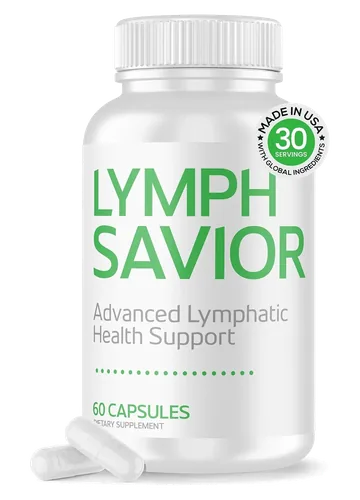
Safety
Why is raw horse chestnut unsafe, and what does the 12-week note mean?
Raw horse chestnut seeds, bark, flowers and leaves are unsafe to eat (NCCIH, Horse chestnut). The plant in its natural state is a different product from the processed extract used in trials.
Do not make tea or powder from seeds gathered in a park. Only processed, standardized seed extract has the safety record in the research (NCCIH, Horse chestnut).
NCCIH adds a time limit. Standardized extracts are likely safe for up to 12 weeks (NCCIH, Horse chestnut). Longer use has not been studied well.
That matters for pack choice. Two bottles last 60 days, which is inside the window. Three bottles last 90 days, just past 12 weeks. A 6-bottle pack runs 180 days, so talk with your doctor before planning use that long.
Interactions
Who should avoid horse chestnut, such as people on blood thinners?
People who take warfarin, aspirin or another blood thinner should avoid horse chestnut, because it may raise bleeding risk (MSK, Horse chestnut). The same goes for anyone about to have surgery or dental work, so tell the team what you take.
Lymph Savior holds more than one herb, and several others raise their own questions. The full list sits on the Lymph Savior side effects page.
- Bring the bottle, or a photo of it, to your next appointment.
- Ask your pharmacist to check every herb on the list against your prescriptions.
- Keep the lot number, LYM-26/MY-4984, with your notes in case you need to match the bottle later.
The gap
Why does the missing horse chestnut amount in Lymph Savior matter?
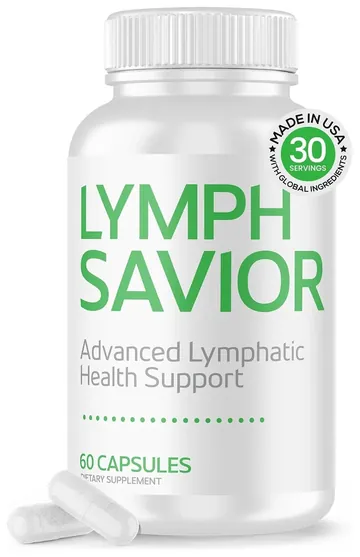
Without the amount, nobody can say whether two capsules come close to the research dose. The missing number affects benefit, safety and value at the same time.
Benefit
A dose far below 100 mg escin a day may not act like the trials.
Safety
You cannot tell how the dose compares with the levels that were studied.
Value
You cannot compare cost per mg of escin with a single-herb product.
A capsule shared by up to ten plants has limited room. That makes the published amount even more important to see.
Next steps
How should you use the horse chestnut research when deciding on Lymph Savior?
Use it as a reason to ask questions, not as proof the product works. The research supports an ingredient at a known dose for leg veins. It says nothing yet about this blend.
Ask for the escin figure
Call +1 (317) 715-7254 and ask how much horse chestnut extract and escin two capsules provide.
Check your medicines
Go through the interaction list with your doctor or pharmacist before the first capsule.
Plan within 12 weeks
If you go ahead, a 2-bottle pack stays inside the studied window and covers the 60-day guarantee.
Keep notes
Write down your start date and how your legs feel each week, so you judge by facts, not memory.
Learn how to read the rest of the label in reading a supplement label with no amounts, or see every plant on the Lymph Savior ingredients page.
References
Which sources back this horse chestnut guide?
Every claim about horse chestnut above comes from one of these four sources. Each link opens the original.
- Horse Chestnut: Usefulness and Safety. National Center for Complementary and Integrative Health, 2025.Seed extract may improve chronic venous insufficiency symptoms. Raw seeds, bark, flowers and leaves are unsafe to eat. Standardized extracts likely safe up to 12 weeks.
- Horse chestnut seed extract for chronic venous insufficiency (Cochrane review). Pittler MH, Ernst E. Cochrane Database Syst Rev, 2012.Leg pain and leg volume improved versus placebo in chronic venous insufficiency; larger trials still needed.
- Cochrane Summary of Findings: Horse Chestnut Seed Extract for Chronic Venous Insufficiency. Underland V, et al. Global Adv Health Med, 2012.Most common dose: 300 mg extract twice a day, standardized to 50 mg escin per dose (100 mg escin daily).
- Horse Chestnut (About Herbs). Memorial Sloan Kettering Cancer Center, 2022.Avoid with warfarin, aspirin or other blood thinners because of bleeding risk.
FAQ
Horse chestnut questions
Is horse chestnut the same as the chestnuts people eat?
No. Horse chestnut and sweet chestnut are different trees. Horse chestnut seeds are not food.
What is escin?
Escin is the main active compound in horse chestnut seed extract. Research used about 100 mg a day from standardized extract (Underland et al., 2012).
Does horse chestnut support the lymphatic system?
It has not been studied for the lymphatic system. Its human research is for chronic venous insufficiency, a leg vein problem (Pittler & Ernst, 2012).
How much horse chestnut is in Lymph Savior?
Not published. No Supplement Facts panel was supplied, so the extract and escin amounts are unknown.
How long can I take horse chestnut extract?
NCCIH says standardized extracts are likely safe for up to 12 weeks (NCCIH, Horse chestnut). Ask your doctor about longer use.
Can I take horse chestnut with aspirin?
Memorial Sloan Kettering advises avoiding it with aspirin, warfarin and other blood thinners (MSK, Horse chestnut).
Keep reading
More about Lymph Savior
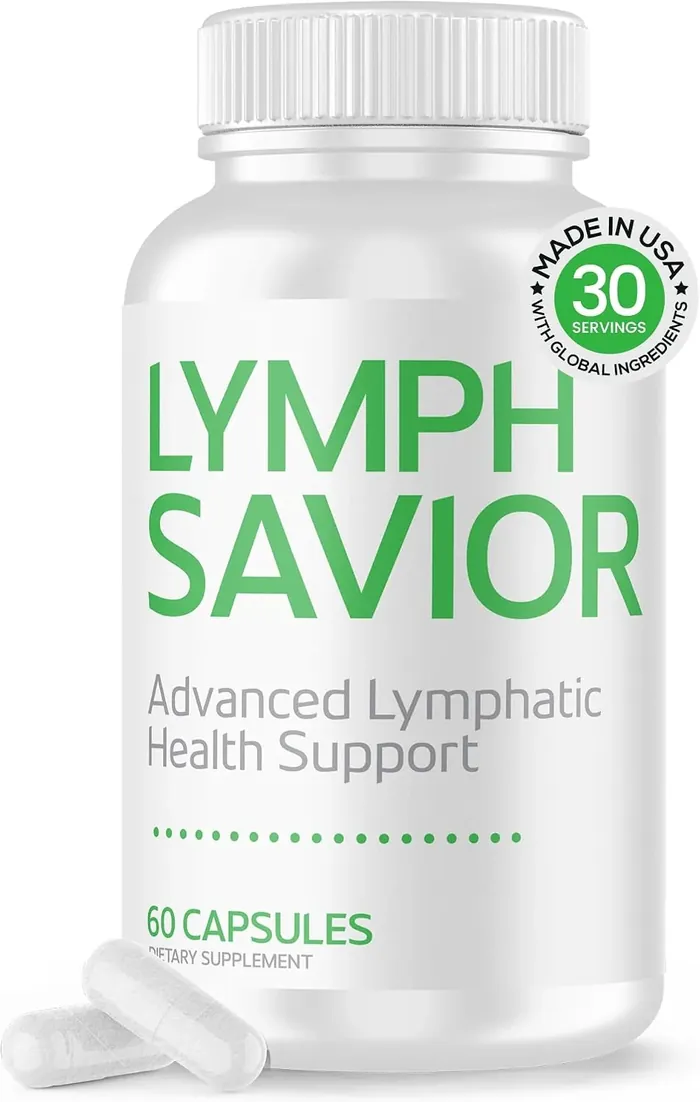
Reading a label with no amounts
A case study in missing amounts: what a complete panel shows, what Lymph Savior's lacks, and how to compare fairly.
Read more
How the lymphatic system moves fluid
From tissue fluid to the collarbone veins: how lymph travels, what slows it, and the honest limits of a capsule.
Read more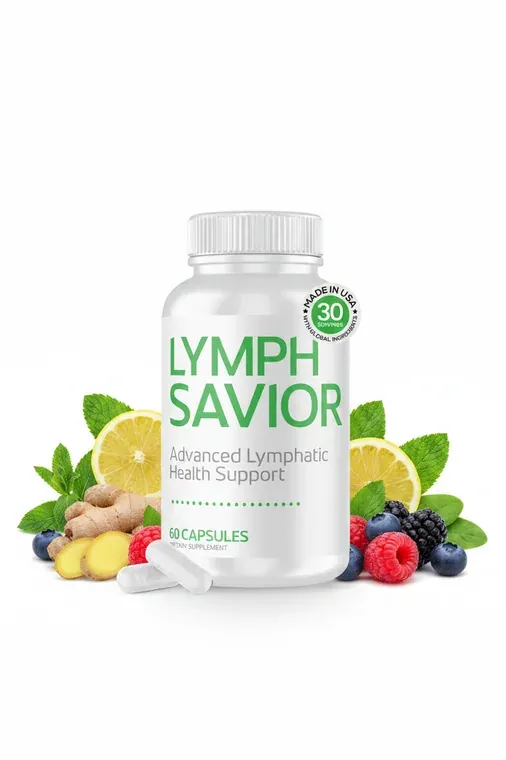
Side effects
Lymph Savior safety by ingredient: blood thinners, hormones, liver, caffeine, allergies and when swelling needs a doctor.
Read moreU.S. stocking partner for Lymph Savior
Ready to try Lymph Savior with the 60-day guarantee?
Order through the stocking partner's page so your order ID is on file with the refund desk. Prices for the 1, 2, 3 and 6-bottle packs are shown at checkout.
Questions before you buy? Call +1 (317) 715-7254. 60-day money-back guarantee, return shipping paid by the buyer.